 ISO 9001 / IATF 16949 Certified
5 main families
Documented Brush Grades
Custom shapes & sizes
OEM Geometry
3–8 A/cm²
Carbon-Graphite Reference
12–30 A/cm²
Silver Metal-Graphite Reference
Brush holders & assemblies
Assembly Support

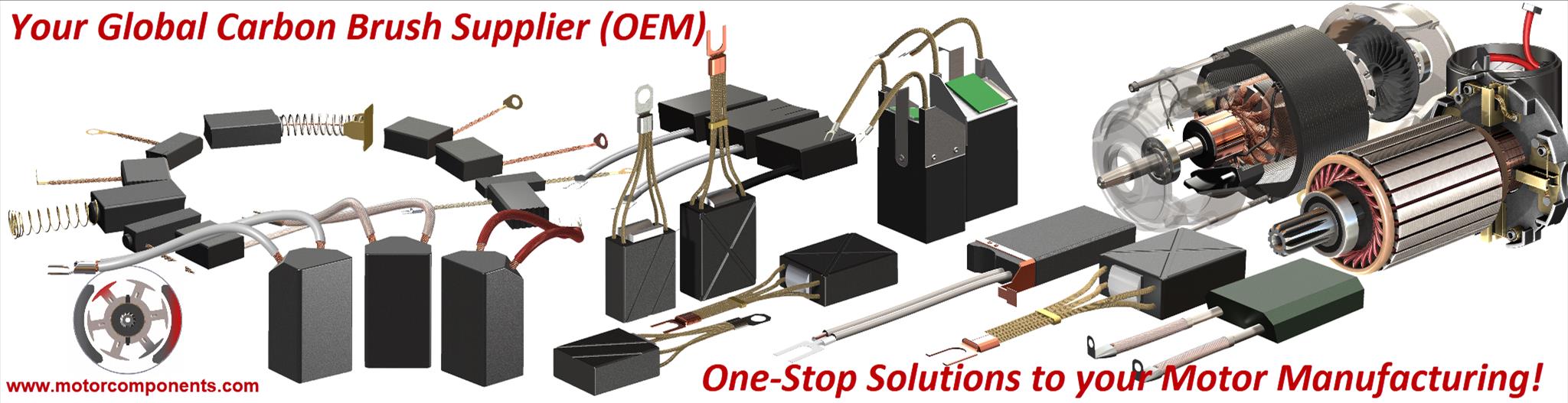
High-quality carbon brushes for motors and generators
We supply carbon brushes in various grades and materials for different applications including automotive, industrial, and power tools.
Available with brush holders and complete assemblies.
| Material | Specification |
|---|---|
| Hard Carbon | Amorphous carbon systems bonded with pitch or resin; strong polishing action for suitable applications |
| Carbon-Graphite | Carbon / graphite blends for commutation and polishing balance |
| Resin-Bonded Graphite | Higher contact drop and resistance for demanding commutation duties |
| Electrographite | High electrical and thermal capability for demanding motor duties |
| Metal-Graphite | Copper, silver and other metal / graphite blends for low-resistance and high-current duties |
HVAC, wiper, window-lift, sunroof, seat, mirror, EPS, pumps, ABS, alternator and starter motor duties
Fan motors, DC motors, gear motors, compressor motors, blowers, pumps and other appliance motors
Drills, impact drivers, grinders, saws, sanders, planers, routers and other brushed tools
DC motors, slip-ring motors, wind generators, traction motors, generators, locomotives and actuators
Tacho generators, actuators and alternator applications listed in the supplied capability document
Technical selection reference
Carbon brushes provide a sliding electrical interface between a stationary circuit and a rotating commutator or slip ring. The supplied product document covers brush-grade families, application selection, production steps, holder designs, maintenance considerations and inspection controls for OEM motor applications.
| Grade family | Typical characteristics / uses |
|---|---|
| Hard carbon | Strong polishing action; typically used on small machines where flush mica and polishing are important. |
| Carbon-graphite | Useful commutation and polishing balance; used on smaller motors and certain DC applications. |
| Resin-bonded graphite | High contact drop and resistance; suited to demanding commutation with comparatively lower brush current. |
| Electrographite | High electrical and thermal capability; used across demanding industrial and traction-type duties. |
| Metal-graphite | Copper, silver and other metal / graphite blends for low-resistance, high-current or slip-ring applications. |
Technical information is presented from Motor Components Ltd capability documentation and should be matched to the drawing, material, duty and production requirement for each enquiry.
Detailed technical information
Technical wording, tables and graphics below are reproduced from the supplied Motor Components capability material and are displayed directly on this product page.
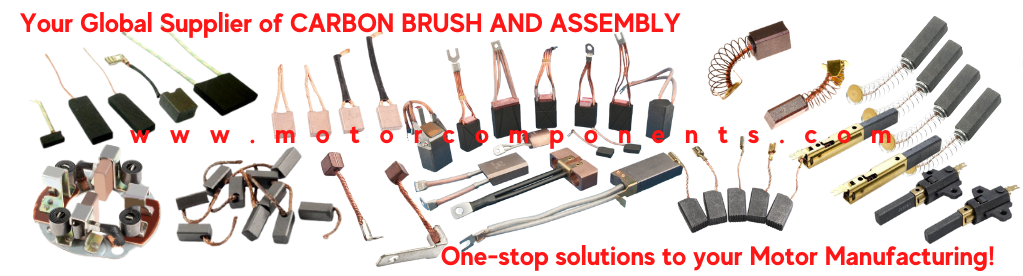
Looking for custom carbon brushes for your OEM electric motor applications?
Look no further than us! We understand that carbon brushes are an essential component of an electric motor, responsible for conducting electrical current between the stationary wires (stator) and the rotating wires (rotor) of a motor or generator. Our high-quality carbon brushes are available in a variety of grades, each specifically designed for different kinds of motors and applications, including automotive, home appliances, power tools, DC motors, generators, and industrial applications.
We work closely with you and your design engineers to ensure that you receive the right material grade and create a prototype in our facilities. We offer personalized service and will address any issues that fall outside of the brush's scope.
Our facility provides customized brushes for OEM applications in the following industries.
Brush grades are classified according to manufacturing processes and types of carbons and other ingredients used. There are five main groups, each of which differs in the use of raw materials and manufacturing processes.
These brushes are made with amorphous carbons such as coke and petroleum coke, bonded with pitch or resin, and then pressed and kilned at temperatures up to 1200°C. The carbonization of the binder results in relatively hard carbon with superior polishing qualities compared to electrographite grades. Hard carbon brushes are ideal for small machines with flush mica that require strongly polishing brushes. However, their elasticity limits their use to machines with peripheral speeds of up to 20 m/sec, and their permissible electrical and thermal load is rather low.
These brushes are made from electrographite, the most crucial raw material, and the binder pitch or resin, which is pressed and heat-treated similarly to hard carbon. Carbon-graphite brushes offer better polishing properties than hard carbon brushes but have a lower electrical carrying capacity than electrographite brushes. They also have outstanding commutating abilities due to their high contact drop, making them ideal for use on machines where electrographite brushes cannot be used due to their low polishing ability, and hard carbon brushes are unsuitable because of their lower commutating properties. Carbon graphite brushes are mainly used on F.H.P. motors with mica undercut and on small thyristor-fed DC machines.
These brushes are made from graphite bonded with resin, which is pressed and heat-treated in a unique process. The high contact drop and high internal resistance of resin-bonded brushes make them ideal for machines with high commutating requirements. However, the high contact resistance can cause high electrical loss due to circulating current, leading to destruction of the resin bond. The primary applications for special graphite brushes are machines with high commutating requirements but with relatively low brush current, such as three-phase commutator motors and small machines with mica undercut. Due to their low elasticity, special graphite brushes are typically used only up to 35 m/sec.
These brushes are made from petroleum coke or retort coke, subjected to processes similar to those described above, and then heat-treated at temperatures up to 2500°C. The carbon material is converted into microcrystalline graphite, known as electrographite, a material with excellent electrical and thermal conductivity. Electrographite brushes cover a wide range from the robust traction brush to very elastic grades with outstanding commutating abilities, making them ideal for all classes of service. Electrographite grades are mainly used on large commutator machines with high electrical, thermal, and mechanical requirements.
Metal graphite brushes are produced using metal graphite mixtures that are processed based on powdered metals. The most used metal is electrolytic copper, but for certain applications, silver, tin, lead, and other metal powders may also be used. These brushes exhibit behaviour that is intermediate between graphite brushes and metal brushes, and the dominant characteristic depends on the proportion of graphite and metal in the mixture. With relatively small contact and internal resistance, this group is the opposite of the special graphite class. Consequently, metal graphite brushes are ideal for machines with high brush loads, with or without high commutating requirements, such as slip rings and low voltage machines. However, due to their low elasticity, they can only be used at peripheral speeds up to approximately 30 m/sec.
Carbon brushes are an essential component of electric motors, and their design is crucial for the motor's performance and reliability. Here are some design concerns that need to be addressed when selecting carbon brushes for electric motor applications:
Material and grade of carbon: The selection of the right carbon material and grade is crucial to the performance and longevity of the carbon brush. Carbon materials are selected based on factors like electrical conductivity, thermal conductivity, and wear resistance. The grade of the carbon is also important as it determines the density, strength, and hardness of the brush.
Correct design: The carbon brush design must match the motor's specifications, including the size and shape of the brush, the type of holder, and the method of attachment. The design should also ensure proper alignment with the commutator or slip rings to prevent uneven wear and sparking.
Maintenance: Proper maintenance is necessary to ensure the carbon brushes' long life and optimal performance. Maintenance activities include regular cleaning, inspection, and replacement of worn-out brushes. Neglecting maintenance activities can lead to premature brush failure, motor damage, and increased downtime.
Cost variations: The cost of carbon brushes can vary depending on the material, grade, and design. While high-quality carbon brushes may cost more, they offer better performance, longer life, and reduced maintenance costs. Therefore, selecting the right carbon brush for an electric motor application requires a balance between cost and performance.
The design concerns of carbon brushes for electric motor applications include selecting the right carbon material and grade, correct design, proper maintenance, and balancing cost and performance. By addressing these design concerns, one can ensure optimal performance, longevity, and reliability of the electric motor.
Selecting the appropriate carbon brushes for an application is crucial in ensuring optimal performance and longevity of both the brushes and the motor. Faults arising from carbon brushes can occur due to several reasons, but the most common ones are outlined below.
| Common Faults for Carbon Brushes | Factors to Consider when Selecting Carbon Brushes |
| Material Grade & Quality | Choose the appropriate material grade and quality based on the motor specifications and the application requirements. Using a harder material grade than necessary can damage the motor. |
| Brush Dimensions | Know the dimensions of a new brush beforehand to prevent issues when the brush wears out. |
| Springs | Ensure the pressure applied by the spring holding the brush to the motor is appropriate. Using a spring with too little or too much pressure can cause issues. |
| Working Temperature | Consider the working temperature range of the motor and select carbon brushes that can handle the temperature without altering their material properties or causing damage. |
| Cable Section | Ensure the wire that conducts electricity can handle the current in the system to prevent overheating and rupture of the brushes. |
| Other problems | Ensure correct insertion and terminal selection to prevent wire-related issues. |
If uncertain about the appropriate material grade, it is recommended to start with the softest one and gradually increase the hardness. Harder grades can cause sparking and damage the motor's collector. Our team works with your design engineers to ensure the correct material grade, create a prototype, and address any issues beyond the scope of the brush. Contact us with your application details to learn more about our comprehensive range of electrical carbon brushes.
Stability: Maintaining and ensuring that your carbon brushes are working properly, there are various ways to examine the brushes for any issues, however, stability is one of the first things to look at. Make sure that the space between brush holders and the brush is adjusted correctly so that it slides smoothly. Also, check the spacing between the slip ring or brush holders.
Quality: The quality of the carbon brushes holds nearly all the significance. Since quality of a component majorly depends upon the material composition and design, for a long lasting effective life of the brushes and also the lifespan of the machine, always ensure that you do not compromise with the quality and where you are buying it from.
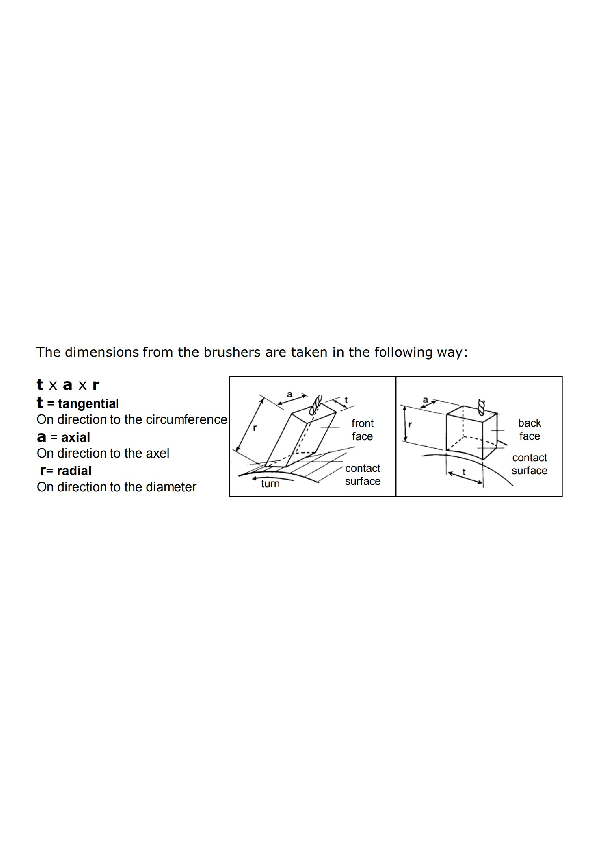
Brush Dimensions: The worn-out brushes exhibit altered dimensions. While buying a new brush, it is important to know the accurate dimensions needed for your motor or application.
Spring Pressure: An optimum pressure in the springs upholding the brush is essential to ensure the effective lifespan of the brush.
Temperature: Even though the carbon brushes are manufactured to show great stability at high working temperature, it can alter the properties of the material with time. Dust: Presence of dust needs to be checked so that there is less brush wear, less grooving and gulling of the components. A simple motor cleaner helps provide clean air to the motor.
Wire Section: Sometimes, overheating and rupture of the brushes is caused if the conducting wire does not own enough section to handle the current flowing in the system. Precise dimensions of the wire section prevent such issues. Additionally, a wrong insertion of wire or choosing a wrong terminal section may cause problems.
| GRADE | APPEARANCE | SPEED | CURRENT | VOLTAGE | APPLICATION |
| Carbon (Carbon Graphite) | Chalky grey or black | Low 4om/s | Black 3-8 Am/cm² | Medium | For old flush-mica commutators, AC/DC Motors Micro motors, FHP Motors Domestic Appliances |
| Electro-Graphite | Hard black with little dust | High speed | High speed | High | Most new motors AC/DC Motors Industrial Applications |
| Graphite | Silvery like a pencil lead | Very high | Low | Medium | Very high-speed applications Low friction applications Vacuum cleaners |
| Metal-Graphite (Copper) | Copper, possibly copper colour | Medium | Very high | Low | Low voltage machines Slip rings Low resistance; 12V and 24V applications |
| Metal-Graphite (Silver) | Silver, maybe grainy | Medium 35m/s | Very high 12-30 A/cm² | Low | Automotive motors High current and high voltage applications |
| Graphite Type | Applications |
| Carbon Graphite | Micro Motors, Home Appliances |
| Electro-Graphite | Industrial |
| Resin Bounded Graphite | Vacuum Cleaners |
| Metal Graphite Copper and Silver | Automotive Motors, Micro Motors, Home Appliances, Vacuum Cleaners, Power Tools, Industrial High current and high voltage applications |
Our manufacturing and supply capabilities for carbon brushes designed for electric motor applications are as follows.
In-house production of carbon brushes using a variety of materials including carbon graphite, electro-graphite, resin-bonded graphite, and metal graphite.
Ability to produce brushes in various shapes and sizes, including custom designs.
Sophisticated manufacturing processes including computer-controlled precision grinding and polishing.
Quality control measures in place to ensure that all products meet or exceed industry standards.
Our manufacturing and supply capabilities allow us to provide our customers with high-quality carbon brushes that meet their specific application needs, all while maintaining competitive pricing and fast turnaround times.
At our manufacturing facility, we have strict quality inspection and control procedures in place to ensure that our carbon brushes meet the highest standards. Some of our quality control measures include:
Incoming Material Inspection: We inspect all raw materials before they enter our production process to ensure they meet our quality standards.
In-Process Inspection: Our production process includes several inspection points to check the quality of the carbon brushes at each stage of manufacturing.
Final Inspection: All finished carbon brushes undergo a final inspection to ensure they meet the required specifications and standards.
Testing: We conduct various tests, including electrical, thermal, life and mechanical tests, to ensure that our carbon brushes are of the highest quality and performance.
Traceability: We maintain complete traceability of our products, from raw materials to finished goods, to ensure accountability and quality control.
Our quality control procedures ensure that our carbon brushes are reliable, high-performance, and meet the requirements of our customers' applications.
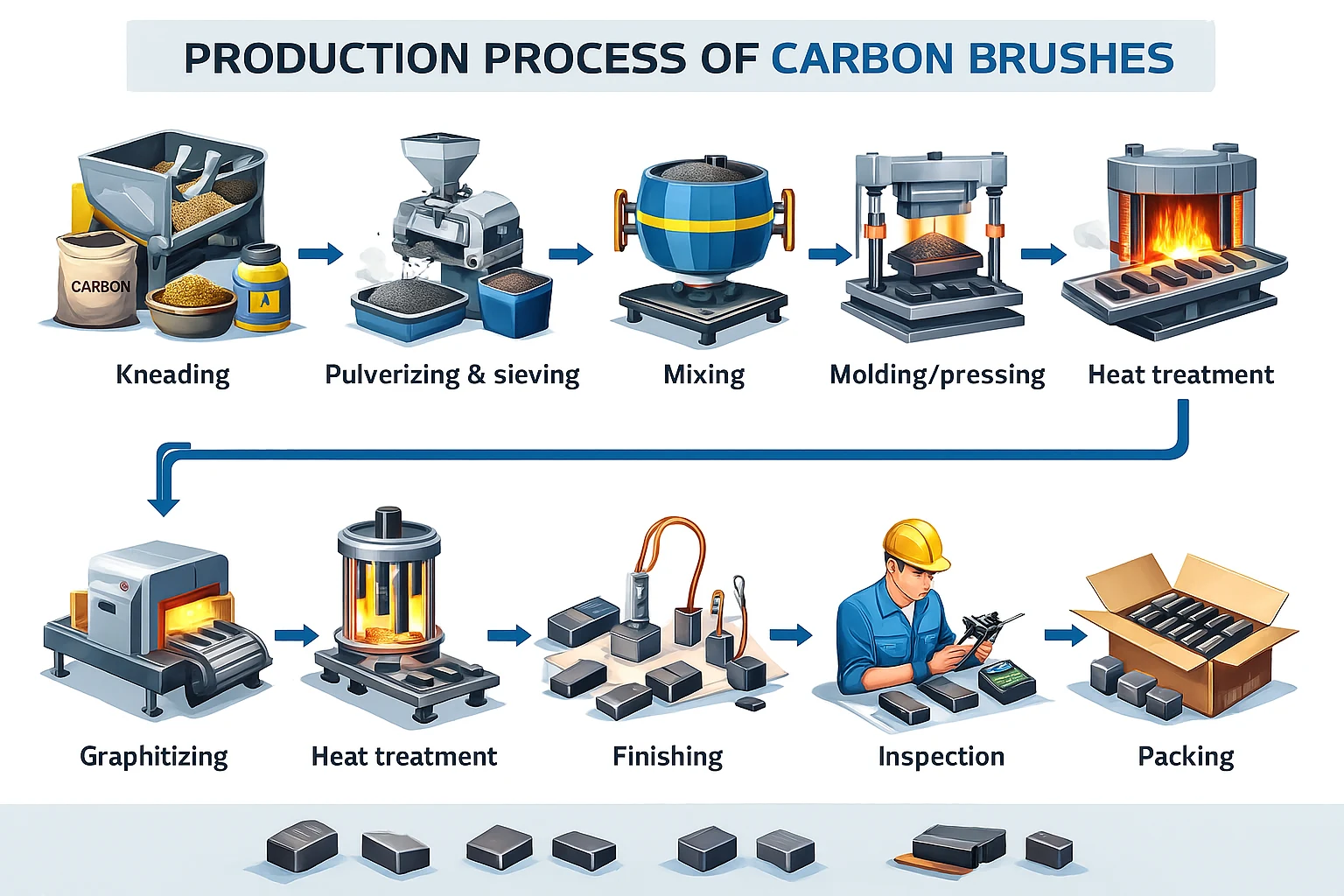
Carbon brushes are typically made using a combination of carbon, metal powders, and resins. The exact process can vary depending on the specific application and manufacturer, but the following is a general overview of the steps involved in producing carbon brushes:
Kneading: The raw materials, which include carbon, metal powders, and resins, are mixed together in a kneading machine to form a homogenous mixture. The kneading process is important for ensuring that the materials are well-blended and free from any lumps or impurities.
Pulverizing & sieving: The mixture is then pulverized and sieved to ensure that the particle size of the materials is consistent. This helps to improve the strength and conductivity of the finished carbon brush.
Mixing: The pulverized mixture is mixed again to ensure that it is fully homogenized.
Molding/pressing: The mixture is molded or pressed into the desired shape using a molding machine or press. The specific method used can vary depending on the application and manufacturer.
Heat treatment: The molded carbon brushes are then heated to a high temperature to harden the resin and bond the materials together. The exact temperature and duration of the heat treatment can vary depending on the specific materials used and the desired properties of the finished product.
Graphitizing: The heat-treated carbon brushes are then subjected to a high-temperature process called graphitizing. This process helps to improve the conductivity and other properties of the carbon.
Finishing: The finished carbon brushes are cut, shaped, and sometimes coated with materials like copper to further improve their conductivity. The brushes may also be polished to ensure a smooth surface finish.
Inspection: The finished carbon brushes are inspected to ensure that they meet the required specifications for the application. This can include testing the electrical conductivity, hardness, and other properties of the brushes.
Packing: Once the carbon brushes have passed inspection, they are packaged and sent to the customer for use in their intended application.
The production of carbon brushes is a complex process that requires careful attention to detail and precise control over the various steps involved. By using high-quality materials and ensuring consistent manufacturing processes, manufacturers can produce carbon brushes that are reliable, durable, and effective in a wide range of applications.
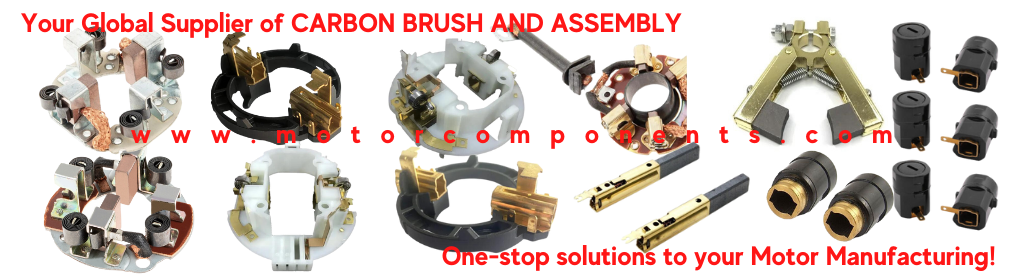
Carbon brush holders and assemblies are an integral component of many electrical machines. We specialize in the design, manufacturing, and distribution of high-quality carbon brush holders and assemblies for a wide range of applications.
Our carbon brush holders are available in a variety of materials, including brass, steel, and aluminum. They are designed to securely hold the carbon brushes in place while allowing for easy replacement and maintenance.
We offer a range of carbon brush assemblies that are compatible with various types of carbon brushes, including graphite, electrographite, and metal graphite. Our assemblies are designed for high performance, durability, and reliability, and they are available in various configurations to suit different applications.
Our experienced engineering team works closely with our customers to ensure that our carbon brush holders and assemblies are designed to meet their exact specifications. We offer both standard and custom solutions to meet the specific needs of our customers.
Brush holders come in various types and designs, including but not limited to:
Each type of brush holder has its own specific features and advantages, making them suitable for different applications and uses.
We take pride in our commitment to quality and reliability, and all of our carbon brush holders and assemblies are manufactured using the latest techniques and highest-grade materials. Our products are thoroughly tested to ensure they meet or exceed industry standards and customer expectations.
If you need high-quality carbon brush holders and assemblies, our experienced team is here to provide you with the solutions you need. Contact us today to learn more about our comprehensive range of products and capabilities.
Additionally, quality control checks are performed at various stages of the process to ensure that the carbon brushes meet the required specifications for electrical conductivity, durability, and performance. These checks may include visual inspection, measurement of electrical resistance, and testing of the brushes in actual motors.
Furthermore, the selection of materials and the design of the brushes can also impact the manufacturing process. For example, some carbon brushes may require additional steps such as impregnation with metals like silver or copper to enhance their conductivity.
Overall, the manufacturing process for carbon brushes requires precision and expertise to produce high-quality products that meet the demands of various industries that use electric motors, such as automotive, industrial, and consumer electronics.
| Industry | Applications | Image |
Automotive | HVAC motors, Window wiper motors, Window lift motors, Sunroof motors, Seat adjuster motors, Mirror adjuster motors, EPS- Electric Power steering motors, Washer pump motors, Fuel pump motors, ABS motors, APS/parking Motors, Power antenna motors, Alternator & Starter motors | 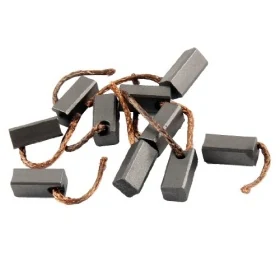 |
Home Appliances | Fan Motors, DC Motors, Automotive High-Efficiency Motors, Shaded Pole Motors, Gear Motors, Compressor Motors, Blower Motors, Brushless DC Motors, Step Motors, Ceiling Fan Motors, Water pumps, and Other Motor | 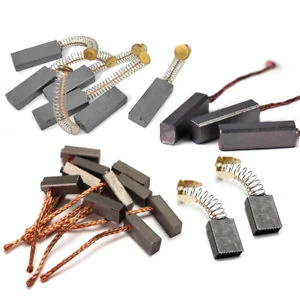 |
Power Tools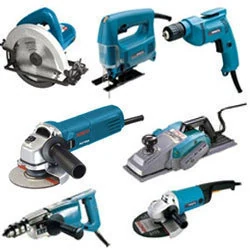 | Power drills, Hammer drills, Power Screwdrivers, Impact drivers, Angle grinders, Belt Sanders, Circular Saws, Jigsaw, Miter Saw, Belt sanders, Orbital Sander, Planers, Rotary Tool, Routers, Wall Chaser | 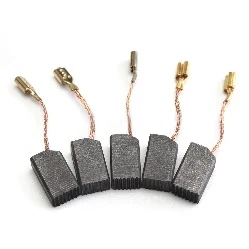 |
Industrial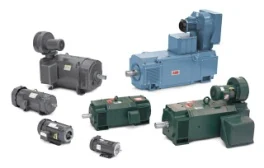 | DC Motors, Slipring motors, Wind generators, Traction motors, DC generators, Ex-proof motors, Electric locomotives, Tacho generators, Actuators | 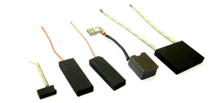 |
AERONAUTICAL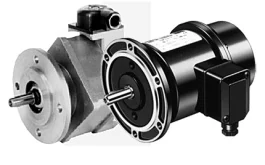 | Tacho generators, Actuators, Alternators | 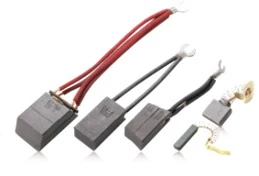 |
Our commitment to quality is unwavering, and we have a dedicated quality control team that performs extensive testing and analysis to ensure that our carbon brushes and brush holders meet or exceed industry standards for strength, durability, and wear resistance. Our strict quality control process ensures that each product we manufacture meets the highest standards of quality and reliability, providing our customers with exceptional products they can rely on for their critical applications.
To further reinforce our commitment to quality, all our manufacturing facilities are ISO 9001:2015 - IATF 16949 certified. We believe that delivering outstanding product quality and first-class service to our customers is our greatest asset, and we strive to exceed expectations in every aspect of our operations.
Our components are efficiently manufactured to give our customers very competitive pricing without compromising product quality.
We offer warehousing locations across Europe that are set up for stocking programs and just-in-time deliveries to match customer-specific manufacturing and inventory requirements.
We can supply medium to high-volume production.
OEM sourcing guidance
Carbon brushes transfer current between stationary and rotating parts in brushed motors and generators. Brush grade, dimensions, lead arrangement, spring/holder interface and operating duty affect performance and wear.
Use these services when the requirement needs development, validation or a new sourcing route.
Buyer questions
Dimensions, material/grade if known, lead and terminal details, reference sample, application and quantity are useful.
Related commutator and slip-ring categories are available and can be included in the same enquiry.
A reference part can help, but original dimensions, holder details and application information are valuable because wear may change the measured size.
Our stringent quality management ensures product consistency covering all processes from raw material procurement to finished goods production. The products and processes pass through stringent quality tests benchmarked with global standards.
Send us your technical drawings, specifications, or samples for an obligation-free quotation. Our team responds within 24 hours.